


Rare-earth extraction from phosphogypsum
Preserved Integra engineering archive on rare-earth metal recovery from phosphogypsum, including pilot plant specifications, a process diagram, videos and photographs.
Historical engineering archive. The figures and process claims below are from Integra's original project materials. They are not necessarily current operational performance data.
Rare-earth extraction from phosphogypsum
During research and development work, Integra Ru specialists examined phosphogypsum deposits at JSC Voskresensk Mineral Fertilizers (VMU) and estimated rare-earth metal resources using proprietary mathematical modelling software.
The reported rare-earth elements in the phosphogypsum included Y (yttrium), La (lanthanum), Ce (cerium), Pr (praseodymium) and Nd (neodymium). The phosphogypsum matrix contained calcium sulphate and sulphur and phosphorus oxides.
Five stages of the historical process
The documented rare-earth recovery technology used a sulphuric-acid decomposition process with five stages:
- Leaching: rare-earth metals were leached from phosphogypsum slurry using a 5–15% sulphuric acid solution, with ultrasonic cavitation and magnetic treatment.
- Filtration: separation of treated slurry into extraction solution and filter cake.
- Crystallisation: precipitation of rare-earth oxalates by adding oxalic acid to the solution.
- Second filtration: separation of the oxalate precipitate (subsequently heated to produce oxides) from the aqueous phase.
- Regeneration: recovery and adjustment of circulating process solutions.
The historical materials describe the process as almost waste-free. The solid residue (filter cake) was technical-grade gypsum suitable for building materials; the liquid residue was said to comply with technical-water specifications; and no gaseous emissions were reported.
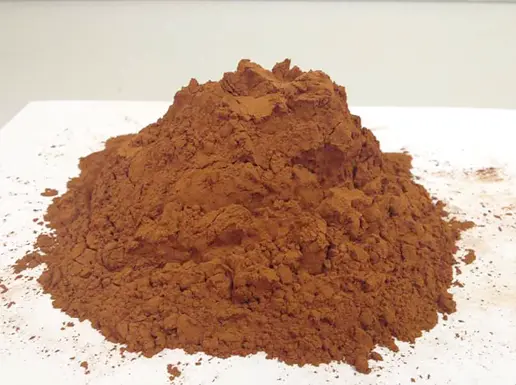
Subsequent separation of individual rare-earth oxides was envisaged using conventional solvent extraction. Reported products included Ce, La, Nd and Pr oxides of 99.0% purity and a concentrate of medium and heavy rare-earth elements (Sm, Gd, Y, Eu, Dy and Tb).
Pilot processing plant
According to Integra's historical documentation, a pilot plant was designed, built and commissioned at VMU to process phosphogypsum. The published project figures include:
- Approximately 22,000 tonnes of phosphogypsum feed per year and up to 40 tonnes of mixed rare-earth oxide concentrate per year.
- Plant floor area: 216 m²; total height: 13 m.
- Equipment included six contact vessels, two Nutsche filters, six crystallisers, associated tanks and pumps, and an automated control system.
- Achieved feed throughput reported as 2 tonnes per hour, with mixed rare-earth concentrate produced.
- A production line for gypsum tongue-and-groove boards, with a stated capacity of up to 140,000 m² per year.
- Actual reagent and energy consumption was measured; an operating process regime was selected.
- Large-scale trials reportedly showed 30–50% overall rare-earth recovery from the feed to final products.
- The automated pilot plant was reported to operate with a single operator.
Original process diagram

Preserved videos from the pilot project
The four original archival MP4 recordings are available below.
Products and archival photographs
Final materials described in the source documentation included rare-earth metal oxides and gypsum building boards.